“Movies like that don’t get made anymore”
That was Gregg Araki talking about his own film Kaboom with DigitalSpy in 2010, way before the mid 2010s boom of independent studios like Mubi, Neon and A24 financing and curating a whole new generation of original films that now live in a world of social media where word of mouth is now word of screen and new queer visionaries like Jane Schoenbrun and Emma Seligman are being trusted with as wild or personal an idea as they can come up with without the worry of what the box office has to say.
Decades before them there was Gregg Araki paving the way of just how unique queer cinema and cinema itself can be, with his drama, science fiction, sex comedy Nowhere (1997) capturing one singular dreamy and nightmarish day of teenage life that is constantly on the edge in an overloaded television era, and his heartbreaking but moving masterpiece Mysterious Skin (2004) exploring two broken souls trying to grow and live with childhood trauma without much help.
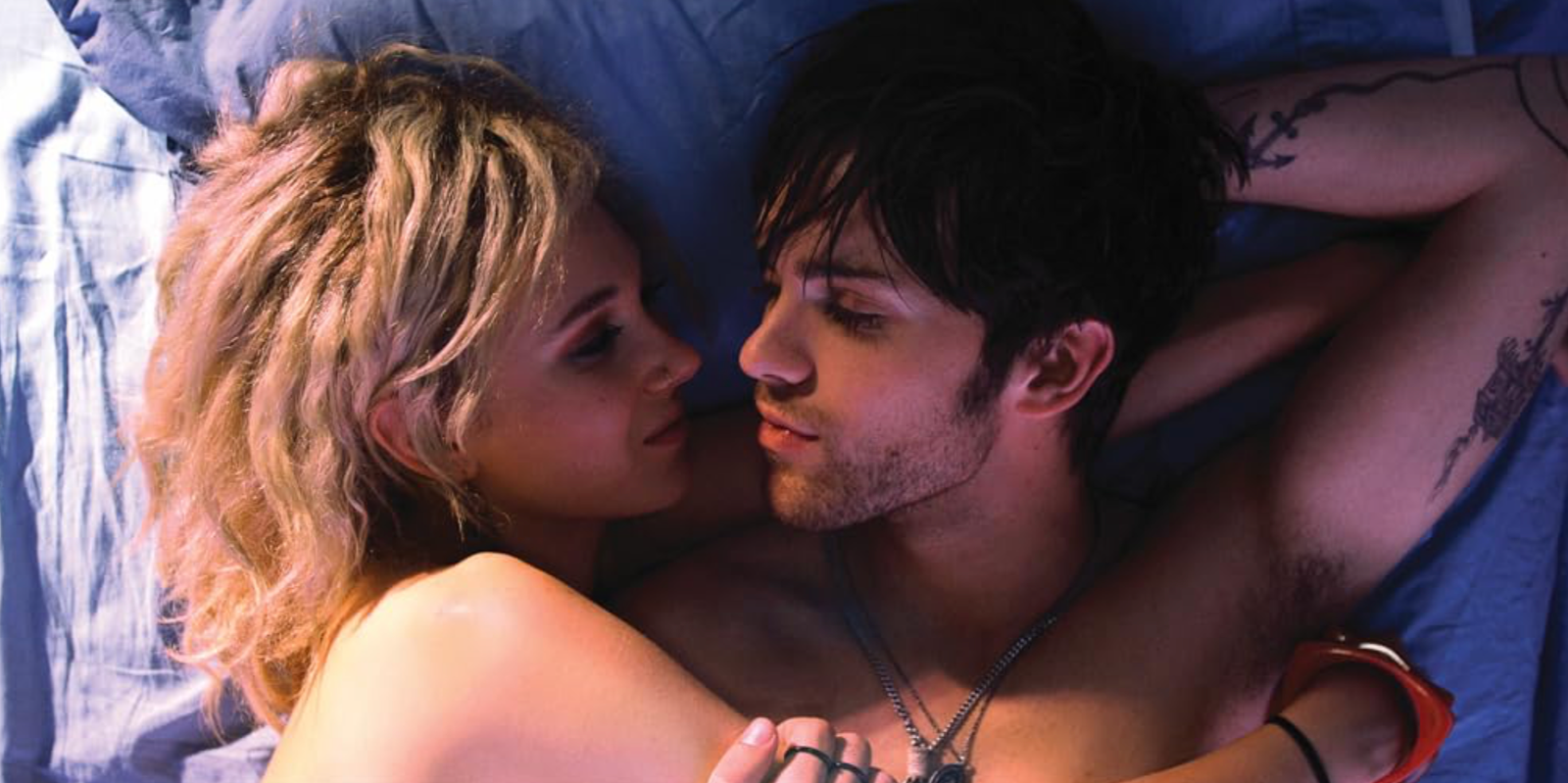
While Araki has been written on endlessly now and has been getting a resurgence to a new generation thanks to his long awaited first feature since 2014 I Want Your Sex (2026) out now in the US and releasing in the UK on the 28th of August, I want to instead talk about that lesser seen film of his he said doesn’t get made anymore, Kaboom, possibly the most Gregg Araki film Gregg Araki has ever made and the first ever winner of the Queer Palm at the 2010 Cannes Film Festival, a horny college vampire, detective, queer, cult film telling the story of Smith, an 18 year old film student who’s biggest worry is when is next party and who is the next person hes’s sleeping with, even fantasizing about his room mate Thor, yes Thor, who in one scene tries to suck his own… yeh, but between all this he has dreams about a brunette and red haired girl he doesn’t know and a bin behind a door with the number 19 on it. A perfectly Lynchian dream sequence and a premise that Araki himself, speaking with Digital Spy in 2010, said was intentional, wanting to the capture the ‘free spirit’ and ‘rule breaking’ of Lynch, being specifically inspired by Twin Peaks, even calling it a “bisexual Twin Peaks in college’ and how the show always just did what it had to do without ever being scared of being too weird, a perfect encapsulation of how art can be made.
At a Party Smith’s best friend Stella hooks up with the brunette from his dream which begins his psychedelic and neon drenched odyssey into deciphering his dreams, including one with a mysterious animal masked cult chasing the mysterious red haired girl, with an occasional hook up with British girl, London, thrown in. Long lost sisters, nude beaches, sex with married men in their van, the great James Duvall playing ‘The Messiah’, a van chase, straight men wrestling topless, dark arts, all this actually happens, how great cinema is, and that’s all without spoiling the places this film goes and the core deeper meaning of how parents can feel in control of your life. But just about could never ever guess where it ends up and going in fresh to watch the third act unfold is certainly an experience, it’s like going to Alton Towers on LSD with very early 2010s outfits and hats on.
That is the precise genius of Kaboom, Araki’s adamance to create a film so singular and impossible to put in a classic hollywood box of plot, character and structure reminds us there’s no bounds to cinema. Isn’t that what cinema should be? Films can be so many things and Araki through Kaboom and so many of his films have proved this and paved a path for so many up and coming filmmakers showing that you can make just about anything. People may call it ‘Inconceivably bad’ or even more original from Jordan strout for the Orlando weekly, calling your directing ‘a lifetime purveyor of similarly ugly films that try to speak to a generation that, thankfully, never existed except for in Araki’s developmentally stunted head’. But did you make the film you wanted put out there? There can be a disconnect sometimes with film as an artform with filmmakers being scared not everyone will appreciate your swings or relate to your experience and they might end up giving your film 2 stars on letterboxd, but filmmakers like Araki show that those audiences are out there, if your voice is bold enough to go there, your appreciation and following will come. Cult classics are cooler anyway.
Go make more weird art, and watch some Gregg Araki in between.